


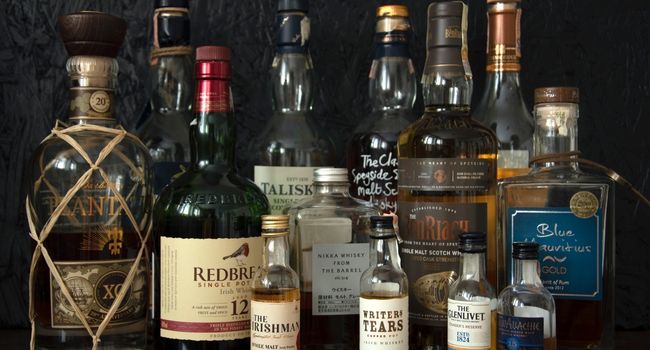



One of the first things whisky drinkers notice on a bottle is the age statement — 10 Year Old, 15 Year Old, 25 Year Old. But increasingly, distilleries are releasing No-Age Statement (NAS) whiskies instead.
So what’s the difference — and does older always mean better?
The short answer: not necessarily.
Understanding age statements and NAS whisky can help you choose bottles based on flavour, style and value, rather than simply the number on the label.
What Is an Age Statement?
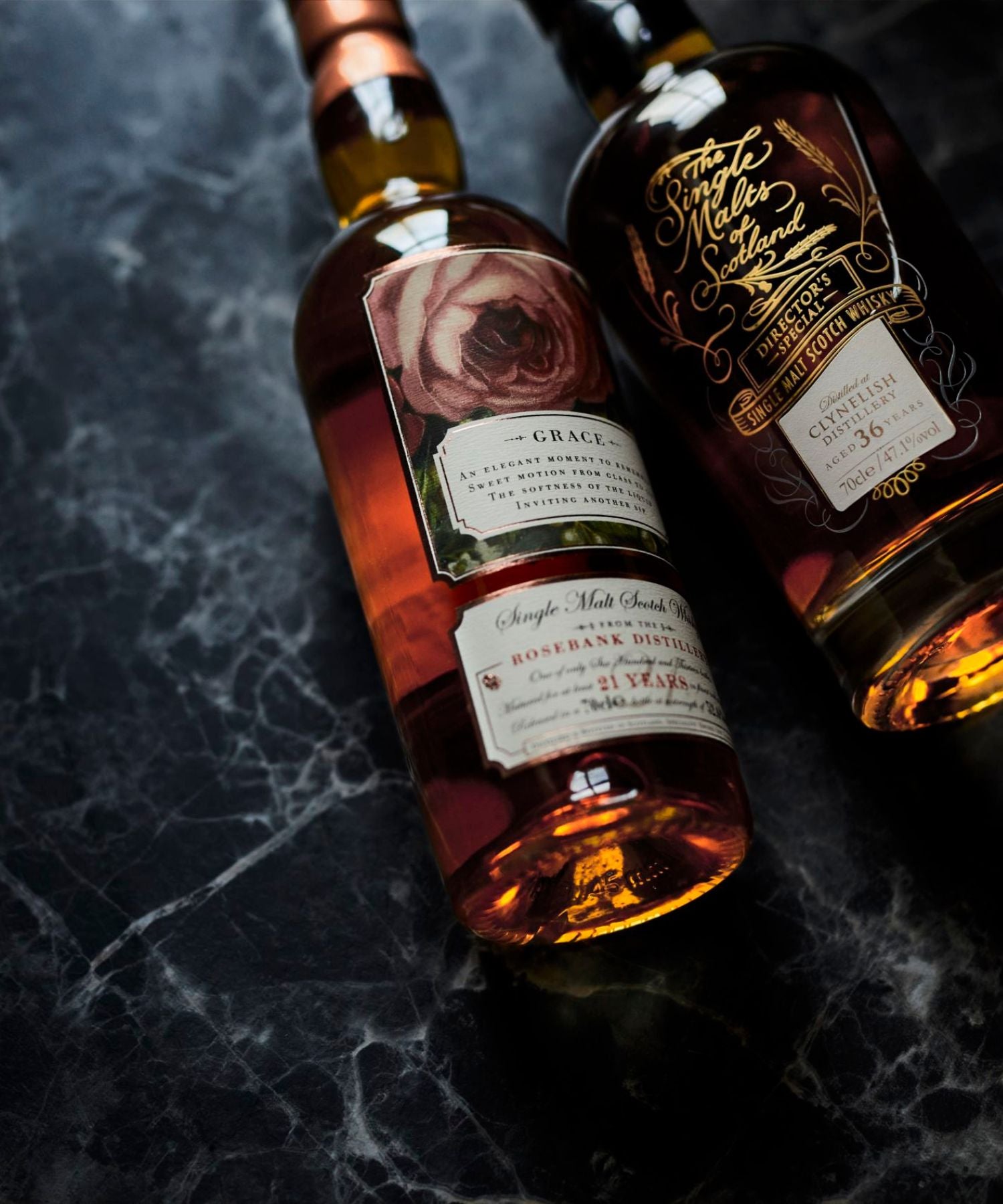
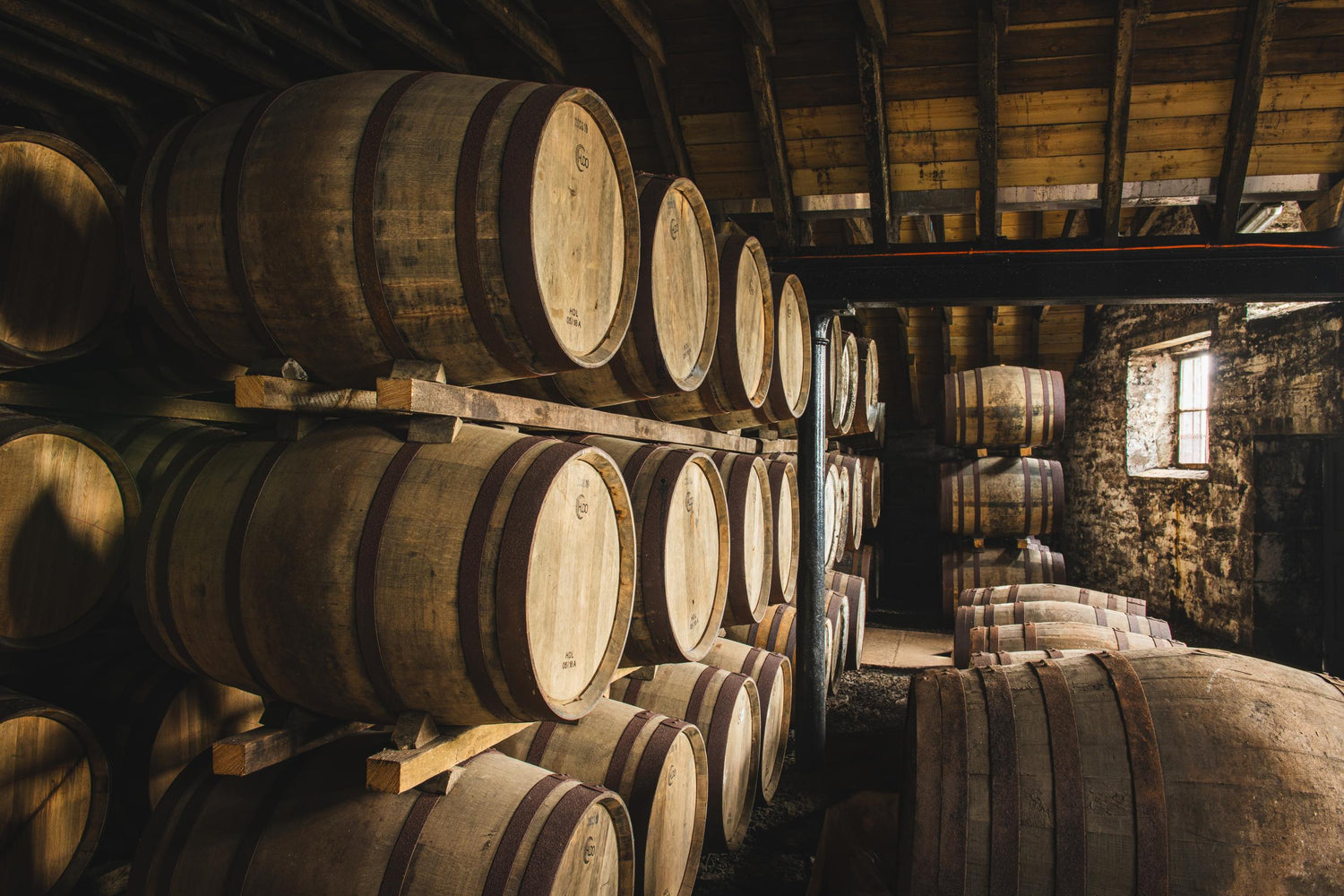
An age statement guarantees that every drop of whisky in the bottle has been matured for at least the number of years shown on the label.
If a whisky says “15 Year Old,” the youngest whisky in the bottle must have spent at least 15 years in cask. Scotch whisky regulations strictly enforce this.
Age statements are often associated with:
- greater maturity,
- richer oak influence,
- softer spirit character,
- and consistency between releases.
A whisky like Tamdhu 12 Year Old is a perfect example of how extended maturation can create depth and complexity, with rich sherry cask notes of dried fruit, spice and dark toffee.
Meanwhile, older expressions such as Glengoyne 25 Year Old showcase the elegance that long maturation can bring, delivering refined oak, honeyed sweetness and layered texture.
What Is NAS Whisky?
No-Age Statement whisky simply means the bottle does not display an age.
That doesn’t mean the whisky is immature or low quality — it simply means the distillery has chosen not to define the whisky by a specific maturation number.
NAS whiskies still have to meet legal maturation requirements, including a minimum of three years ageing in oak casks.
Without the restriction of a fixed age statement, distillers gain far more flexibility to:
- experiment with cask finishes,
- blend different age profiles,
- and create flavour-led releases.
This creative freedom has become a huge part of modern whisky innovation.
Why NAS Whisky Has Become So Popular
Flavour Over Numbers
Modern whisky drinkers increasingly focus on flavour profile rather than simply age.
That’s why many distilleries now build NAS whiskies around bold cask influence, unique finishes and distinctive house styles.
Annandale Man O’Sword Rare Vintage Ex-Bourbon 2014 – Cask 106 is an excellent example of how NAS whisky can prioritise flavour and individuality over a simple age number. Matured in an ex-bourbon cask, it combines creamy vanilla, orchard fruit and gentle peat smoke with impressive depth and character, showing that younger or non-age-statement whiskies can still deliver complexity and premium quality.
Similarly, Tomatin Cù Bòcan Creation Series releases focus on experimentation, often using unusual cask combinations to create modern smoky and fruit-forward styles.
NAS Allows More Creativity
Age-statement bottlings require older whisky stocks, which take decades to mature and limit flexibility.
NAS releases allow distillers to innovate more freely with:
- wine casks,
- virgin oak,
- peated spirit,
- and small-batch blending.
That’s helped create some of the whisky world’s most interesting modern releases.
Does Older Whisky Taste Better?
Not always.
Older whiskies often develop:
- deeper oak integration,
- richer texture,
- softer alcohol character,
- and greater complexity.
But age can also reduce freshness and vibrancy if the cask influence becomes too dominant.
Younger whiskies can feel:
- brighter,
- livelier,
- fruitier,
- and more energetic.
That’s why many whisky enthusiasts enjoy both styles for different occasions.
Regal Whisky Picks to Explore
Age-Statement Whiskies
Tamdhu 12 Year Old
A rich Speyside single malt matured exclusively in sherry oak casks, delivering dried fruit, spice and nutty sweetness.
Glengoyne 25 Year Old
An elegant long-aged Highland whisky balancing honeyed sweetness, oak spice and refined texture.
GlenAllachie 8 Year Old
A younger age-statement whisky showing how active cask maturation can create depth well before ultra-long ageing.
No-Age Statement (NAS) Whiskies
Tomatin Cù Bòcan Creation Series
An experimental series exploring unusual cask finishes and smoky Highland character.
Annandale Man O’Words Refill Bourbon Cask
A modern NAS release balancing vanilla creaminess, citrus freshness and gentle oak spice.
Which Style Should You Choose?
Choose age-statement whisky if you enjoy:
- traditional whisky styles,
- mature oak complexity,
- consistency,
- and classic distillery character.
Choose NAS whisky if you enjoy:
- experimentation,
- cask innovation,
- bold flavour profiles,
- and modern whisky styles.
Final Thoughts
Age statements remain an important part of whisky tradition, offering clarity and reassurance about maturation time.
But modern NAS whiskies prove that flavour matters far more than a number alone.
Whether you prefer the maturity of long-aged single malts or the creativity of innovative NAS releases, both styles offer exceptional whisky experiences — and Regal Whisky carries excellent examples of each.


Leave a comment
This site is protected by hCaptcha and the hCaptcha Privacy Policy and Terms of Service apply.